


Sold as:

from £6.99


Sold as:
from £19.99
 5 Star Service Rating




 Secure, One-Tap Checkout
 5 Star Feefo Rating
 Hand Picked, Delivered to Your Door!
 1 Year Bareroot Guarantee
 Platinum Trusted Service Award 2026
 Mail Order Plant Experts - Est. 1949
Looking for trees for privacy that don't turn your garden into a green wall? You're in the right place. Whether you want a pleached hornbeam hedge on stilts, a narrow fastigiate tree for a tight side return, or an evergreen screen that holds its leaves all winter, the right tree in the right form gives you privacy at exactly the height you need — and looks genuinely good while it's at it.

If you need height in a narrow gap — alongside a path, a boundary fence, or a driveway — a fastigiate (columnar) tree gives you that height without the spread of a normal crown. Fastigiate Hornbeam grows tall and upright while staying narrow for years, making it ideal for close planting in a row.

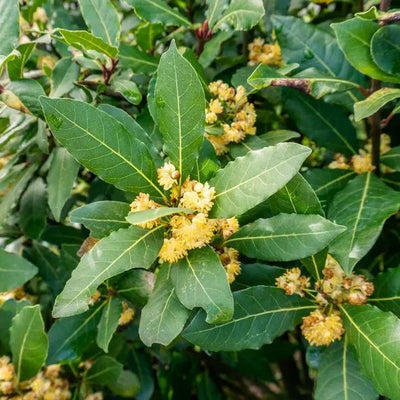
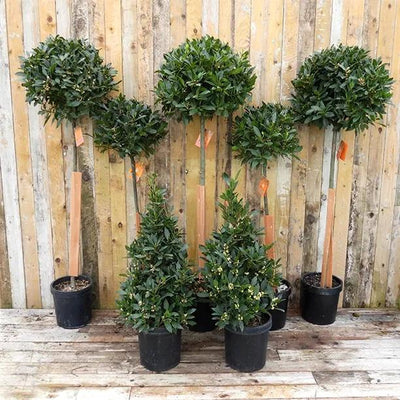
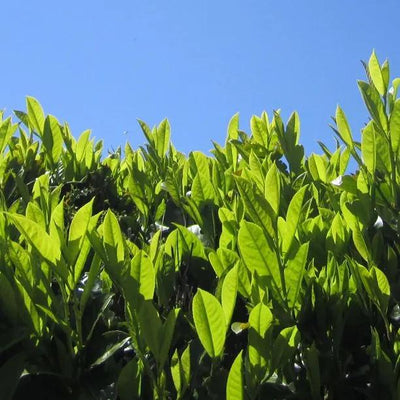
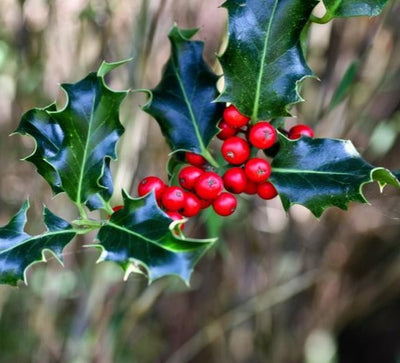
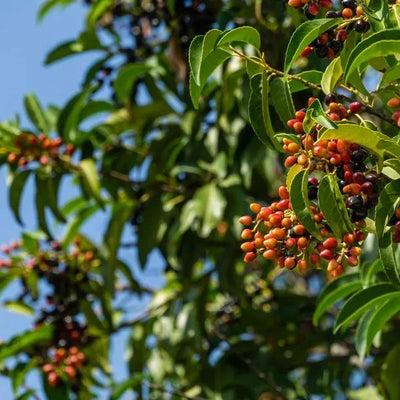
Pleached and fastigiate deciduous trees still let some light and view through in winter. If you want a solid, year-round screen, evergreens are the answer: holly, bay laurel, and Portugal laurel all hold dense foliage through every season, and can be trained or simply left to grow into a natural screen.










Ordinary hedges and pleached trees aren't usually subject to planning permission, but very tall evergreen hedges can fall under "high hedges" legislation in a neighbour dispute. Pleached deciduous trees are a common way to get height while staying outside that rule, since the screening foliage doesn't sit at ground level in the same way.
Hornbeam and lime are the two classic choices in the UK, because both respond well to training and hold a dense, even canopy. Hornbeam is more shade- and soil-tolerant; lime gives the more formal, traditional look.
It depends on the frame and how they're maintained, but most pleached hornbeam or lime is trained to give a clear stem of around 1.8–2m, with the pleached canopy adding a further 1–2m of screening height above that.
Yes — because the screening happens above ground level and the canopy is kept flat rather than spreading, pleached trees take up far less width and ground space than a hedge of equivalent screening height.
Pleached trees are trained onto a frame to grow flat, with a clear trunk below. Fastigiate (columnar) trees are naturally upright and narrow without any training — useful when you want height in a tight space without the ongoing formative pruning pleaching requires.
Ordinary hedges and pleached trees aren't usually subject to planning permission, but very tall evergreen hedges can fall under "high hedges" legislation in a neighbour dispute. Pleached deciduous trees are a common way to get height while staying outside that rule, since the screening foliage doesn't sit at ground level in the same way.


 Sign In
 Saved items