Sold as:

from £6.99



Sold as:
from £19.99
 5 Star Service Rating




 Secure, One-Tap Checkout
 5 Star Feefo Rating
 Hand Picked, Delivered to Your Door!
 1 Year Bareroot Guarantee
 Platinum Trusted Service Award 2026
 Mail Order Plant Experts - Est. 1949








Sessile Oak is the native Oak of hillsides and higher ground: a large tree with a broad, rounded crown and leathery, dark green leaves that turn orange-brown in autumn. Its acorns sit tight on the twig with no stalk, which is the sure way to tell it from English Oak.
The Sessile Oak, Quercus petraea, is a stout, slow growing native tree with a broad canopy and dark green leaves.
It looks very similar to Common Oak, and is quite hard to tell it apart for most of the year. It has straighter branches, and usually a taller trunk, with a narrower canopy, but this isn't always a sure sign because trees in exposed locations can be shaped by the wind. The surest sign is that its acorns have very short stalks, whereas Common Oak's have stalks about an inch long.
They can reach a height of about 30-40 metres.
Standard trees are the largest size that we deliver; you can also buy younger Sessile Oak saplings.
Browse our other Oak tree varieties, or all of our trees.
Delivery season: Oak trees are delivered bareroot from late autumn to early spring, November to April.
Choosing a size: Small trees are cheaper, easier to handle and more forgiving of less than ideal aftercare, so they're best for a big planting project. If instant impact is your priority, or if you are only buying a few plants for use in a place where it's convenient to water them well in their first year, then you may as well use bigger ones. Our standard trees are measured by the girth of the trunk in centimetres, one metre above the ground, not by their height.
This hardy tree thrives in any reasonably fertile well-drained soil. It tolerates dry condition well as long as the soil isn't too sandy and poor, and it's not recommended for chalk, preferring a pH on the acidic side. It's more adapted to rocky hillsides with better drainage and higher altitude than Common Oak, which is the better choice for clay in lowland areas.
It's shade-tolerant when it's young, and it's often interplanted with fast-growing conifers.
Quercus is Latin for Oak, and petraea is to do with being rocky, referring to its preference for hills and mountains. It produces top grade timber, and is commonly used for high quality casks and barrels because the wood is water-resistant and gives a good flavour to the beverages stored in it. The acorns are excellent feed for pigs and also attract jays.
Other Common Names: Welsh or Durmast Oak
Botanical Names: Quercus petraea, Q. sessiliflora
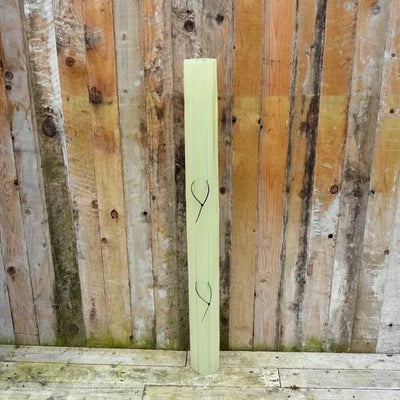
Standard trees are measured by their girth in centimetres 1 metre above ground level: their trunk's waist measurement. Unlike sapling trees and hedge plants, standards aren't measured by their height, which will vary quite a bit both between and within species.
So, a 6/8cm standard tree has a trunk with a circumference of 6-8cm and an 8/10 standard has a trunk 8-10cm around. This measurement makes no difference to the tree's final height.
On average, standard trees are 2-3.5 metres tall when they arrive, but we cannot tell you precisely how tall your trees will be before we deliver them.
The natural partner is the other native, English Oak: its acorns hang on stalks, and it is the better tree for lowland clay. For upland woodland, plant Sessile Oak with Beech, and see the rest of our native trees. Our guide to Oak trees covers the whole family. Dust the roots with Rootgrow as you plant.
Ashridge has sold trees since 1949 and is a Which? Best Plant Supplier 2025. Your Sessile Oak comes as a bareroot tree, lifted to order while dormant and guaranteed for 12 months. Plant it between November and April, and it will establish readily.
By the stalks. Sessile Oak's acorns sit tight on the twig and its leaves have stalks. English Oak is the other way round: acorns on stalks, leaves without.
It grows more than 12 metres tall and more than 8 metres wide, taking over 50 years. Our own page has long said 30 to 40 metres in time.
It grows well in most deep, fertile soils. It prefers better drainage than English Oak, which is the one to choose for heavy lowland clay.
Yes. It is one of Britain's two native Oaks.
Yes. It is rated H7, the hardiest rating, and it grows in exposed or sheltered sites.
Yes. This page is for standard trees. Young Sessile Oak saplings are sold by height for woodland and hedging.
Bareroot only, from November to April, while the trees are dormant. You can order at any time of year and your tree is lifted and sent once the season opens.




 Sign In
 Saved items